
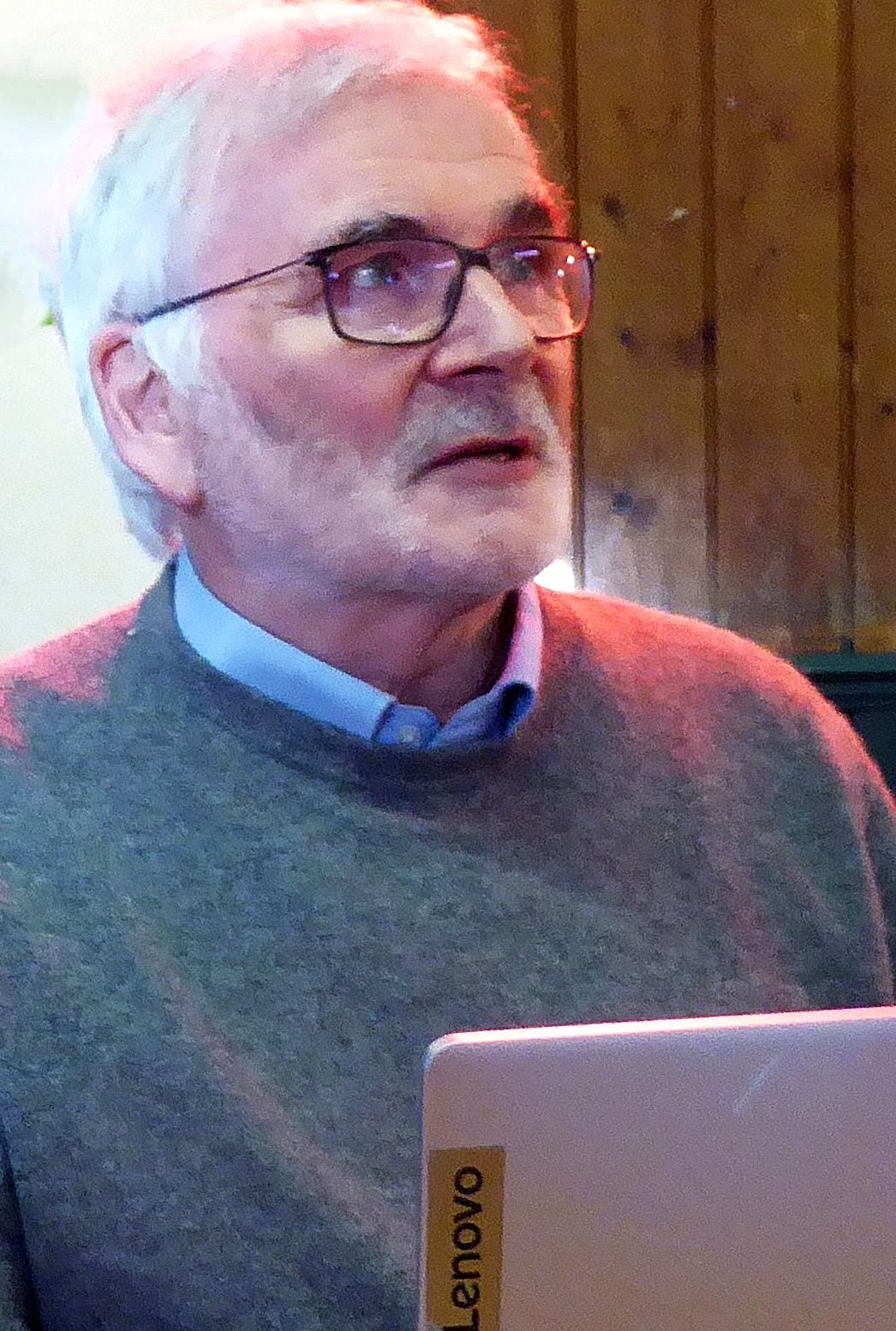
David G gave us an illustrated talk today on the origins and effectiveness of BR Standard Class engines. David told us that when British Railways came into being on 1 January 1948 it employed 648,000 men and women and had around 20,150 locomotives spread across 476 different classes. Many of these locomotives were not in good shape after the war years and many were pre-grouping engines coming to the end of their working lives.
With the formation of British Railways there was now to be a new focus on central planning and procurement. Consideration was given to electrification of the railway system, but it was considered unaffordable given the state of the post-war economy and so given the ready availability of coal and the existing expertise in steam engine design it was decided
to embark on a programme of building new steam locomotives.
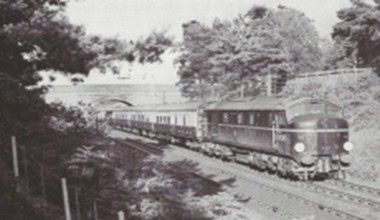
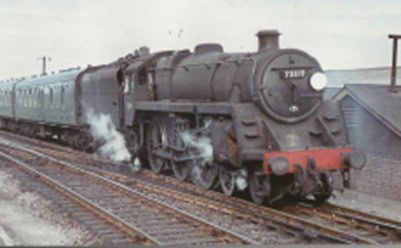
Robert Riddles who was a key figure in the Railway Executive created an organisation to evaluate the strengths and weaknesses of each aspect of the locomotives of the former “Big Four” companies and to take the best from each to create a set of standards that could be applied to a new set of “Standard Class” locomotives. The new Standards Committee then set the standards that the new locomotives would be built to with the design and engineering work being spread around the various locomotive works in the country. All in all, twelve new Standard Classes were built in the 1950’s. With hindsight this may be considered to have been too many.
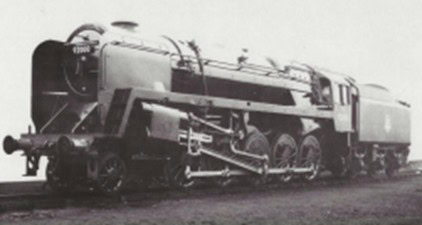
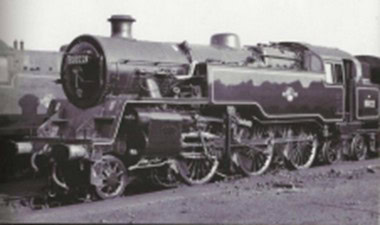
David then went on to review and illustrate some of the new Standard Classes beginning with the Standard Class 7 Britannia Class 4-6-2 locomotives. With greater operating efficiency, lower operating costs and weight saving measures they were able to be used widely over the network and generally gained a positive reception from their crews. They continued in service until the end of
steam. The Standard Class 6 Clan Class was a similar but smaller less powerful locomotive than the Britannia. Only ten were ever built and all of them had been withdrawn from service by 1962. 172 of the Standard Class 5 4-6-0s were built at Derby and Doncaster. These mixed traffic locomotives were essentially a development of the Stanier LMS Black 5 but were more economical and faster than the earlier engines. The Standard Class 4 2-6-4 tank was designed at Brighton and was also a very good performer with 155 being built. The
Standard Class 2 2-6-2T based on the LMS Ivatt 2-6-2 tanks were used to replace ageing and worn-out pre-grouping locomotives around the country.
The Standard Class 9F, 2-10-0 locomotives were the last to be built and were very good powerful performers on fast freight and passengers services. At one point one of them was recorded doing 90mph while pulling a train of 14 coaches. 251 of them were built but sadly they only had a short life of between five and fourteen years.
The Standard Classes were generally very good efficient locomotives which could be moved anywhere around the country. Unfortunately, the rise in car ownership and the fall in goods traffic and the increasing desire to move away from steam power lead ultimately to their demise. In discussion we went on to discuss whether in hindsight production of the
Standard Classes was the right decision given their relatively short lives with most of them being scrapped well before their anticipated life expectancy. Given the situation in the country in the immediate post war period, it was perhaps the only realistic option. Anyway, this was a most interesting and informative talk and David was thanked accordingly by the
meeting. Chris