
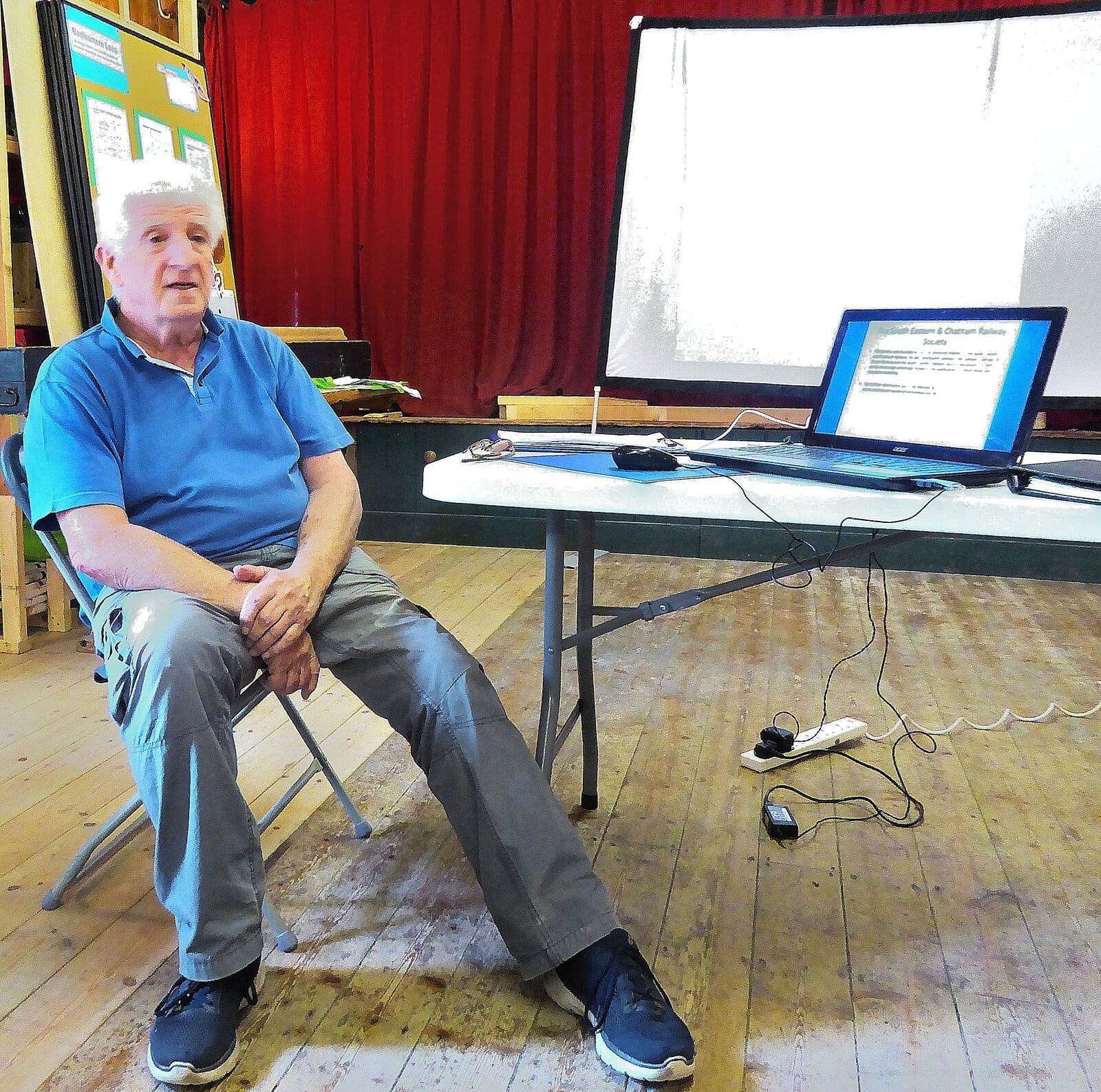
Roger gave us a very interesting talk on the history of the South Eastern & Chatham Railway which came about as a result of a cessation in hostilities between the South Eastern Railway and the London Chatham and Dover Railway. Having spent many years in acrimonious disputes and competing with each other, common sense finally prevailed and while not a full merger of the two companies a joint management company (the South Eastern & Chatham Railway) was set up in 1899 to run them as a single operation. The SER and LCDR had different braking systems so, unless modified, stock continued to run on the same routes as before. The main focus of both companies had been on the cross channel routes to the continent via Folkestone or Dover, with relatively little importance being placed on freight operations initially, although there were goods being imported from Europe. A large proportion of any local freight business arose from the transportation of hops and hop pickers. Hop pickers however had to make do with the scruffiest carriages available. There was a lot of “foreign running” with trains bringing goods from other parts of the country.
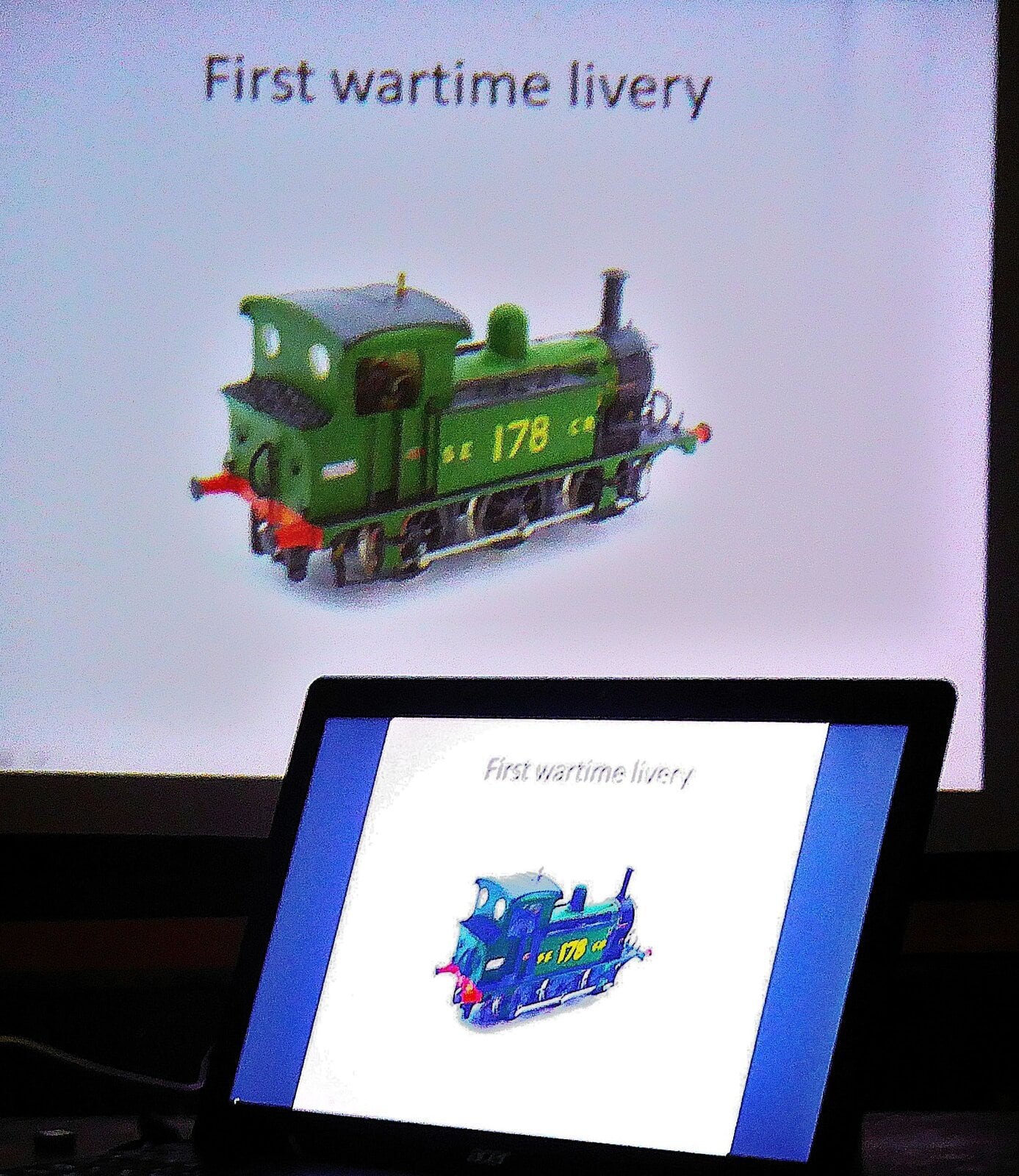
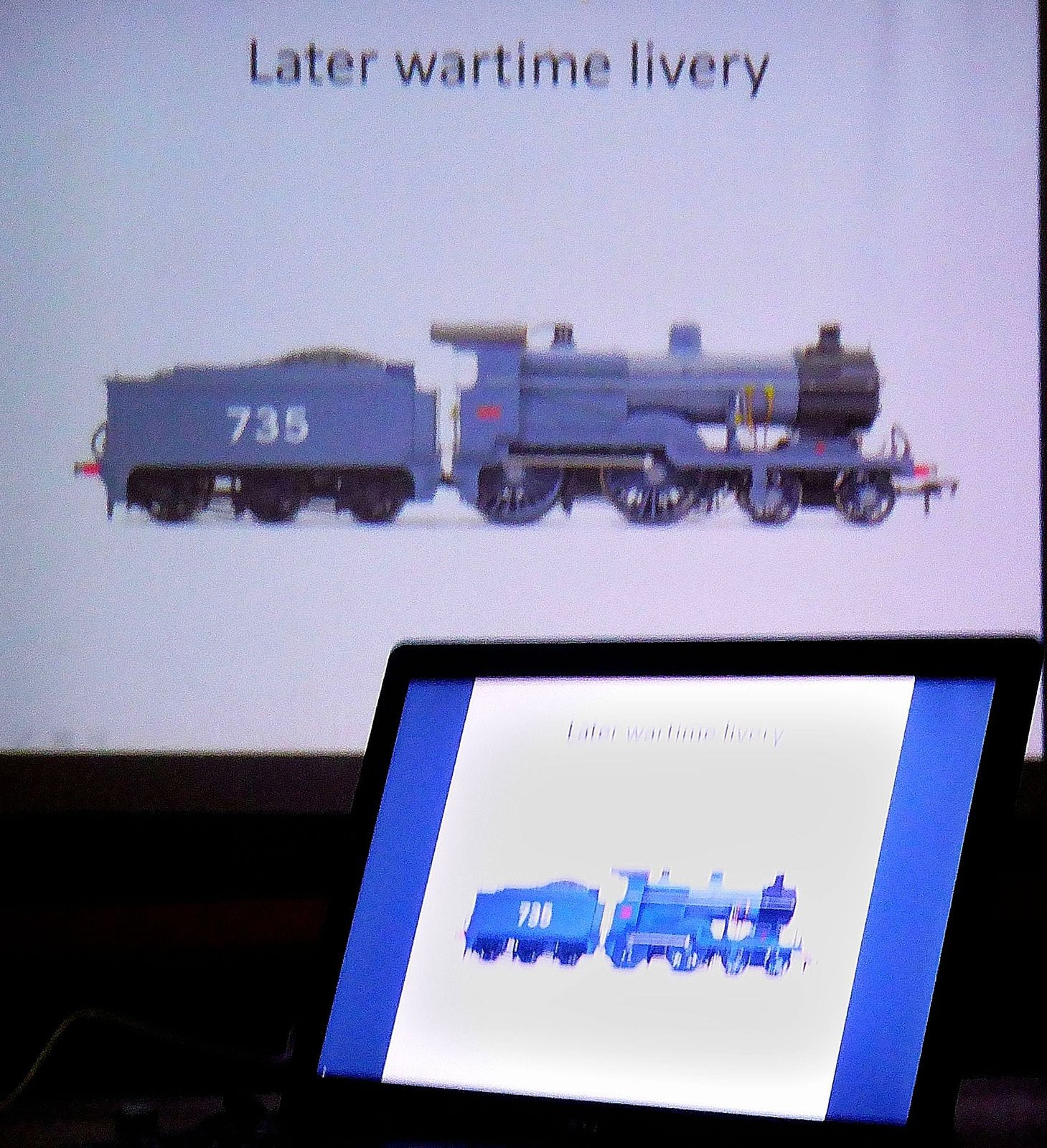
The SECR suburban routes had cutting edge signalling systems for the time, notably at London Bridge where the very busy Borough Market Junction operated on a parallel timetable system that continued in operation until the 1970s. During World War 1 the SECR was very heavily involved at Chatham, Sheerness and Richborough, as well as at Folkestone and Dover in transporting men and equipment to and from the continent. Not just to the continent either as there was a lot of traffic going to South Africa as well. Harry Wainwright was the Locomotive Superintendent of the SECR from its inception until his departure in 1913 and credited with some of the finest SECR locomotives although a lot of the design work was done by his Chief Draughtsman Robert Surtees. Roger talked about the various liveries for locomotives, carriages and goods stock and in particular the elaborate Wainwright locomotive livery which did not survive him very long being first simplified and then replaced by a war time livery in grey. After World War 1 the SECR continued until Grouping in 1923 when it was subsumed into the Southern Railway. Chris